# Observability for Growing Apps: Logs, Metrics, Traces, and the Debugging Confidence Teams Need
Most teams think they want better debugging. What they actually want is confidence under pressure. Observability is the engineering discipline that makes that possible. When an API slows down, an export job fails, a WebSocket room goes stale, or a publish action behaves differently in production than locally, observability determines whether the team spends ten minutes diagnosing or two exhausting days guessing.
## Why this topic matters now
As systems gain more routes, workers, integrations, and deployment environments, intuition stops being enough. Strong observability reduces incident length, lowers guesswork in debugging, and improves how teams reason about performance and failure before users feel every issue first.
- strong demand in backend and full stack interviews
- direct connection to real production reliability
- useful crossover between engineering depth and product impact
- long-tail search potential because developers keep looking for implementation details
## Core concepts you should understand first
Three pillars are still useful if applied clearly:
- logs tell you what happened
- metrics tell you how often and how badly
- traces tell you where time was spent across a multi-step flow
The fourth pillar many teams forget is context. Without request ids, user or tenant hints, route information, and consistent event naming, raw telemetry becomes hard to use.
Do not rush past the basics here. These topics become much easier once the first layer is clear. Teams usually struggle later not because the advanced feature is impossible, but because the core vocabulary was never stabilized.
## How this works in a real application architecture
An observable application often includes:
- structured request logs at the backend edge
- application metrics for latency, error rate, queue lag, and cache health
- trace or correlation propagation across services and jobs
- dashboard views that match actual product workflows instead of random charts
- alerts connected to user-impacting symptoms instead of every noisy anomaly
When this topic shows up in production, it usually affects more than one layer at once. That is why it helps to explain it through a request flow or user action instead of treating it as an isolated concept.
## Practical implementation notes for Node.js and modern web apps
Useful implementation habits:
- log in structured JSON or another searchable format
- attach request ids and propagate them into workers or downstream calls
- separate business events from low-level debug noise
- log enough payload context to diagnose safely without leaking sensitive data
- review dashboards after each major feature so the telemetry still matches reality
Observability should evolve with the product. A report feature, WebSocket layer, or media pipeline needs its own signals once it becomes important.
The best implementation choices are usually the ones that reduce confusion for the next engineer. Clear seams, explicit naming, and predictable fallbacks are almost always better than clever shortcuts.
## What interviewers and senior reviewers usually look for
Strong talking points include:
- how to debug a slow route that also triggers queue work
- what makes a log useful during incidents
- how tracing helps once one action spans multiple services
- which metrics best reflect user pain
- how to avoid alert fatigue
If you can explain the trade-offs in plain language and tie them to a real project, you already sound much stronger than someone reciting tool names without context.
## Common mistakes that create expensive problems later
- logging huge noisy blobs and still missing the one correlation field that matters
- creating alerts for everything and trusting none of them
- tracking CPU and memory while ignoring request latency and queue lag
- having pretty dashboards that do not map to real workflows
- adding observability only after the first production incident hurts badly
Many teams do not fail on the first implementation. They fail when the initial version works just enough to hide weak assumptions. That is why these mistakes matter.
## Project ideas and product features where this topic shines
- content platform with publish flow instrumentation and admin action tracing
- support system with message delivery, queue lag, and conversation-state telemetry
- learning platform with practice submission latency and code execution health
- e-commerce admin reporting product with export duration and retry visibility
- multi-tenant SaaS with tenant-scoped usage dashboards and anomaly alerts
These ideas are useful because they force you to use the topic in a business-shaped workflow instead of a tiny demo that hides the hard parts.
## Final takeaway
Observability is not just tooling. It is the habit of making your system answerable. Teams that invest in that habit ship changes more calmly, recover faster, and make better architecture decisions because they can actually see what the software is doing.
Back to Blogs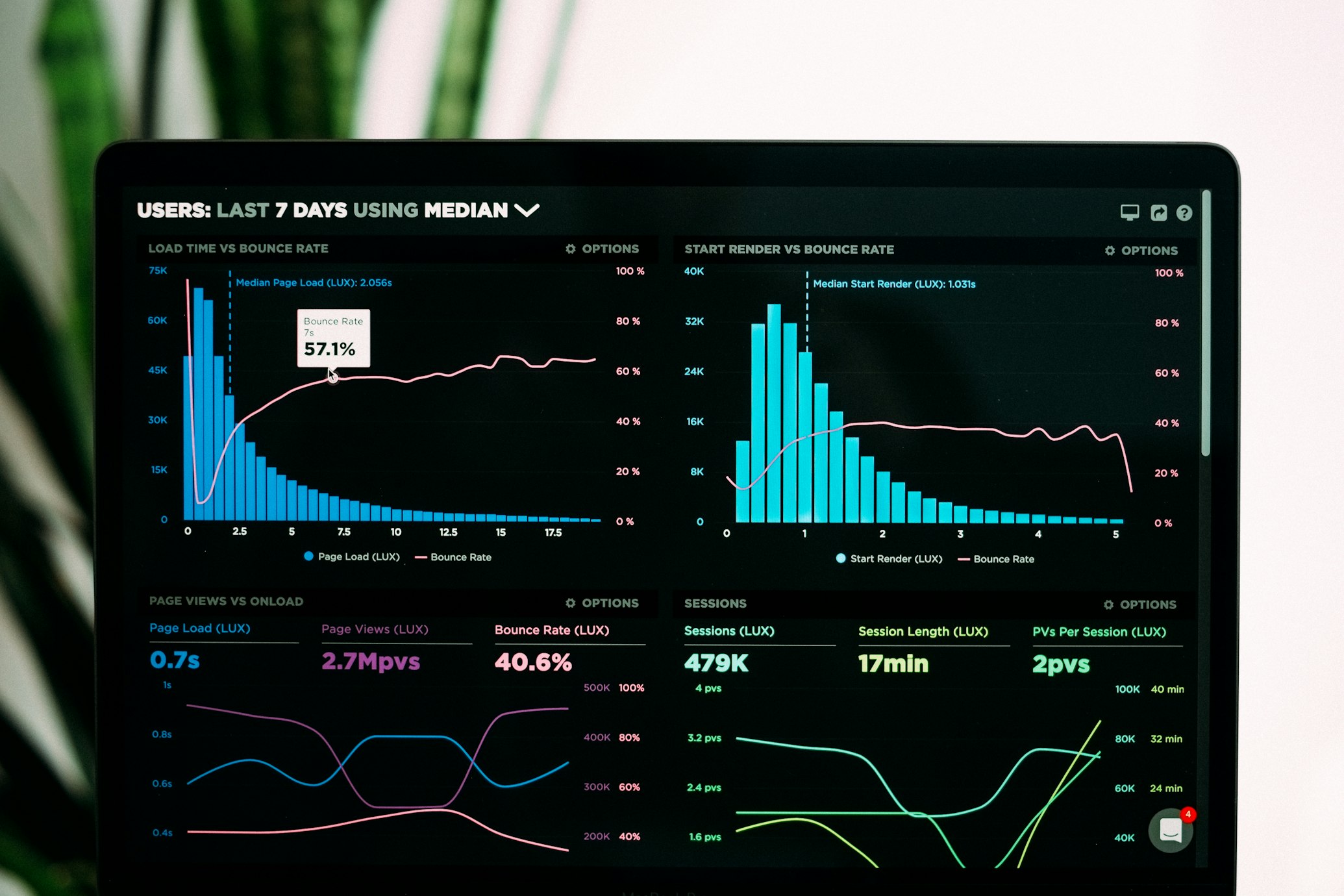
Deep technical guide
Observability
Logs
Tracing
Monitoring
Backend
Observability for Growing Apps: Logs, Metrics, Traces, and the Debugging Confidence Teams Need
A deep observability guide for modern applications, covering structured logging, metrics, tracing, alerting, dashboards, correlation ids, and how to build systems that are easier to debug under pressure.
JS Interview Prep Editorial Team
Author
May 16, 2026
Published
4 min read
Reading time
11 views
Views
SEO-friendly JavaScript learning article
